


The OIML standard is an internationally recognized framework developed by the International Organization of Legal Metrology (OIML) to ensure the accuracy, reliability, and legal validity of measuring instruments used in trade and regulated applications. In the weighing industry, OIML standards play a crucial role in harmonizing technical and legal requirements across different countries.
OIML standards apply primarily to legal‑for‑trade weighing instruments, where measurement results directly affect commercial transactions, taxation, safety, or regulatory compliance. Typical applications include truck scales, platform scales, retail scales, industrial weighing systems, hopper scales, and load cells used in legally controlled environments. Many countries adopt OIML recommendations into their national metrology laws, making OIML compliance a legal requirement rather than a voluntary guideline.
In weighing applications, the most important OIML documents are OIML R 76 for non‑automatic weighing instruments and OIML R 60 for load cells. OIML R 76 defines performance requirements such as accuracy class, maximum permissible errors, repeatability, linearity, temperature influence, and endurance for complete weighing systems. OIML R 60 specifies the technical and metrological requirements for load cells, including sensitivity, creep, hysteresis, moisture protection, and long‑term stability.
Equipment tested and approved according to OIML standards receives an OIML Certificate of Conformity, which confirms that the product meets internationally accepted metrological requirements. This simplifies product approval in multiple countries and reduces the need for repeated national testing. OIML‑approved load cells and weighing instruments are clearly marked with classification details, approval numbers, and environmental conditions.
For manufacturers, OIML compliance demonstrates a strong commitment to measurement integrity, quality, and global market access. For end users, it ensures fair trade, accurate weighing results, and acceptance by regulatory authorities across many regions. OIML standards are widely used in Europe, Asia, the Middle East, Africa, and many other markets.
In summary, the OIML standard is a cornerstone of legal metrology in the weighing industry. It ensures that weighing equipment performs accurately and consistently under real‑world conditions, supports international trade, and protects both consumers and businesses by maintaining trust in weight measurements.
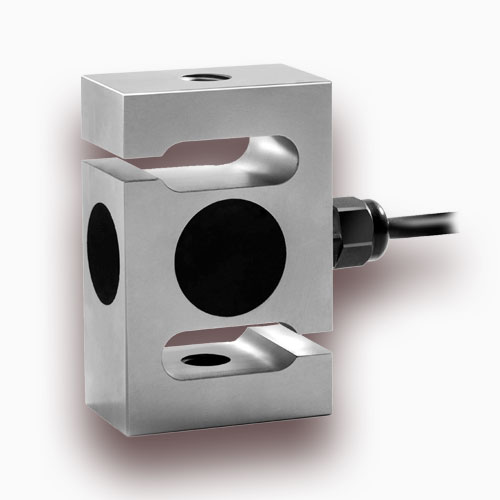
Flintec ULB
د.إ0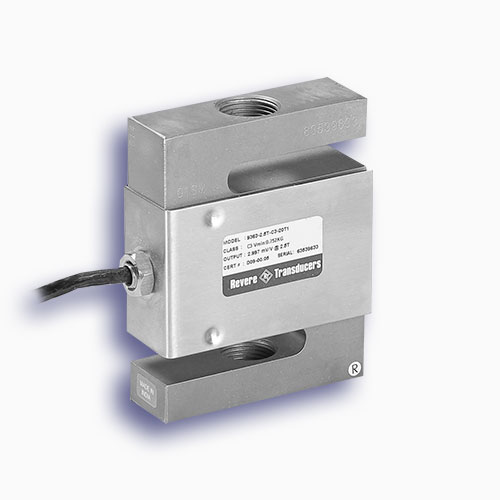
Revere 9363
د.إ0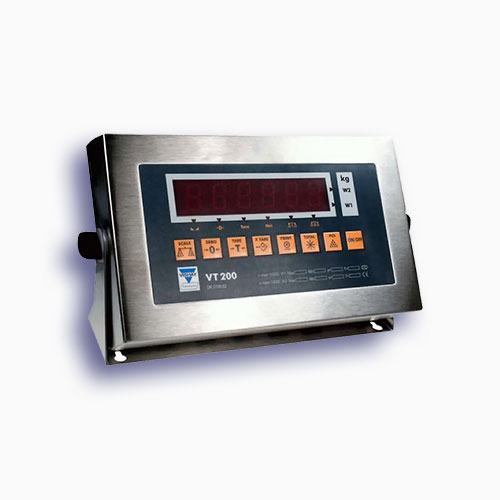
Revere VT200
د.إ0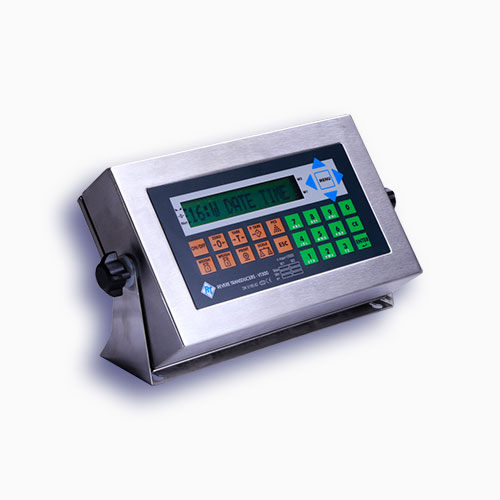
Revere VT300
د.إ0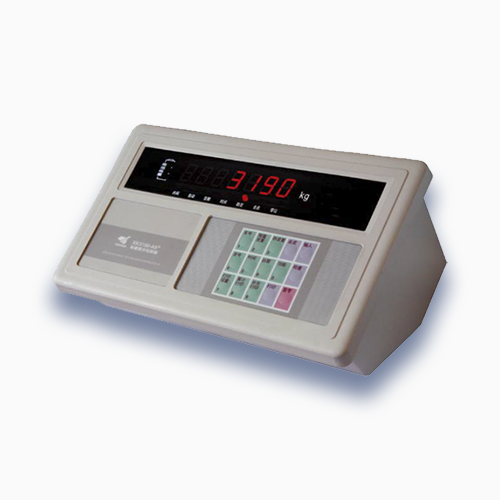
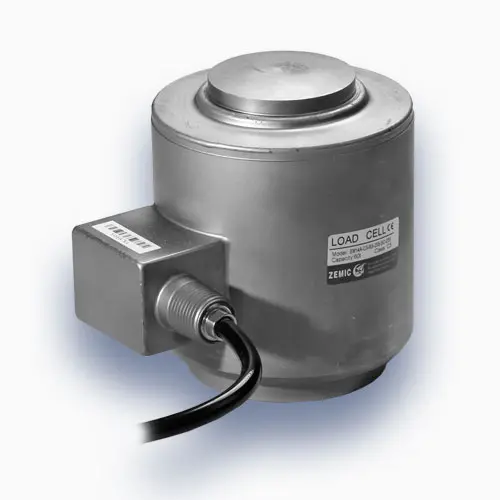
Zemic BM14A
د.إ0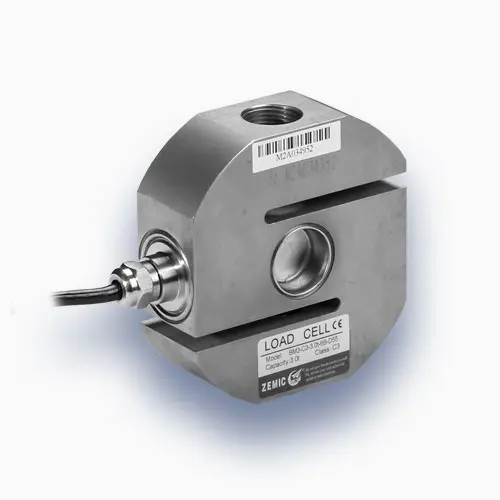
Zemic BM3
د.إ0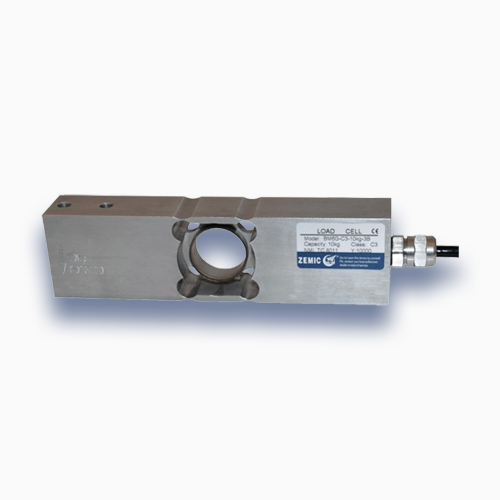
Zemic BM6G
د.إ0
Zemic BM8D
د.إ0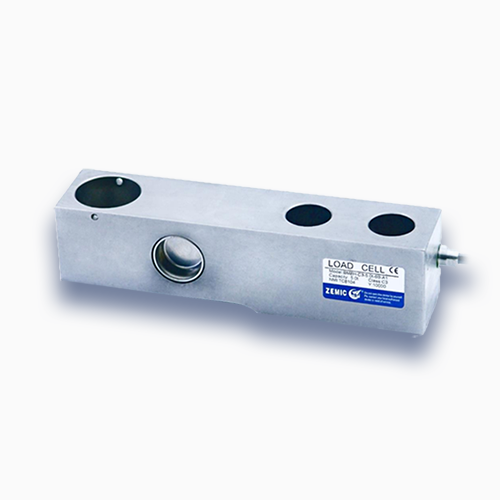
Zemic BM8H
د.إ0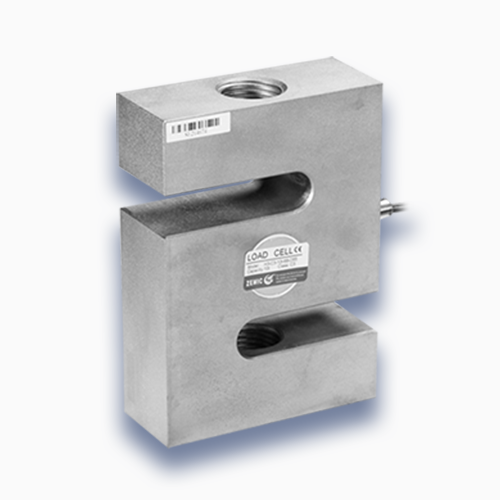
Zemic H3
د.إ0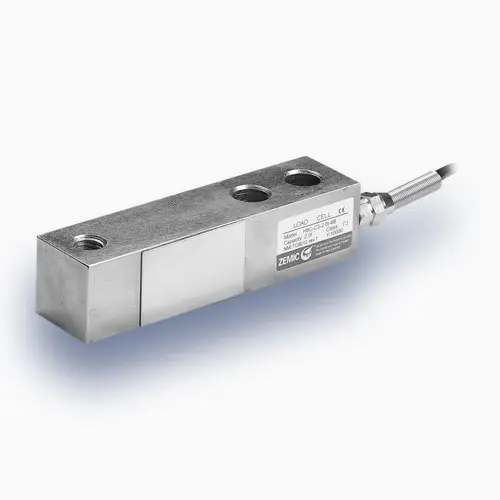
Zemic H8C
د.إ0