


The ATEX standard plays a critical role in the weighing industry wherever equipment is used in potentially explosive atmospheres. ATEX is derived from the French term “ATmosphères EXplosibles” and refers to two European Union directives that regulate equipment and workplace safety in environments where explosions may occur due to the presence of flammable gases, vapors, dust, or fibers.
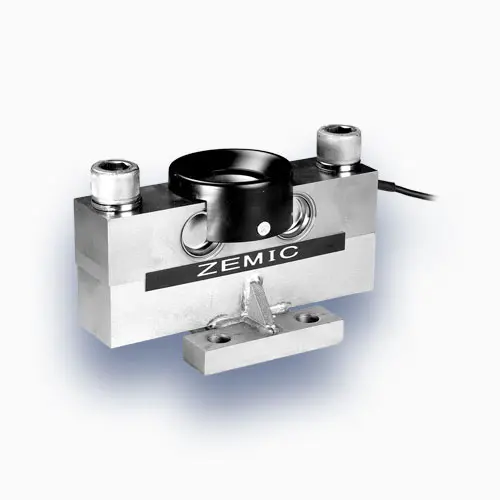
In the weighing industry, ATEX compliance is essential in sectors such as chemical processing, oil and gas, food and grain handling, pharmaceuticals, mining, and paint manufacturing. These industries often deal with combustible dusts or volatile substances that, when mixed with air and exposed to an ignition source, can lead to serious explosions. Weighing equipment such as load cells, junction boxes, indicators, floor scales, and truck scales can potentially generate sparks, heat, or static electricity—making ATEX certification crucial.
ATEX standards are mainly defined under Directive 2014/34/EU (ATEX Equipment Directive), which applies to manufacturers, and Directive 1999/92/EC (ATEX Workplace Directive), which applies to end users. Equipment is classified into Zone 0, 1, or 2 for gases and Zone 20, 21, or 22 for dusts, depending on the frequency and duration of explosive atmospheres. Each zone requires specific protection levels and design measures.
In practical weighing applications, ATEX‑approved devices are engineered to limit surface temperature, prevent electrical sparks, and ensure intrinsic safety. For example, ATEX load cells are often made from stainless steel, feature sealed construction, and use specially designed strain gauges and cabling. Weighing indicators and junction boxes may use intrinsically safe circuits or explosion‑proof enclosures to isolate electrical energy.
Using ATEX‑certified weighing systems provides several advantages: enhanced operational safety, regulatory compliance, reduced risk of costly shutdowns, and protection of personnel and infrastructure. Importantly, both the entire weighing system and its installation method must comply with ATEX requirements to ensure full certification.
In summary, the ATEX standard is not optional in hazardous environments—it is a fundamental requirement that ensures weighing equipment operates safely and reliably in explosive atmospheres, protecting both people and processes.
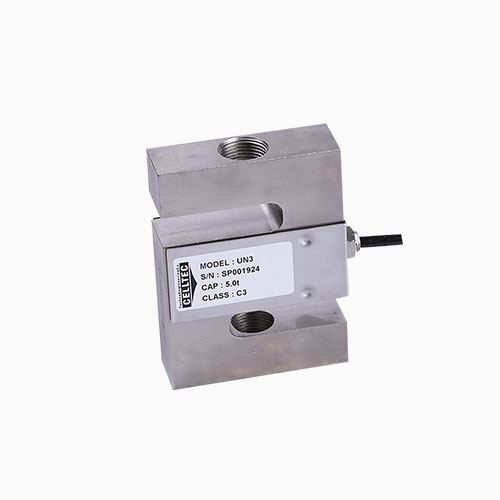
Celltec UN3
د.إ0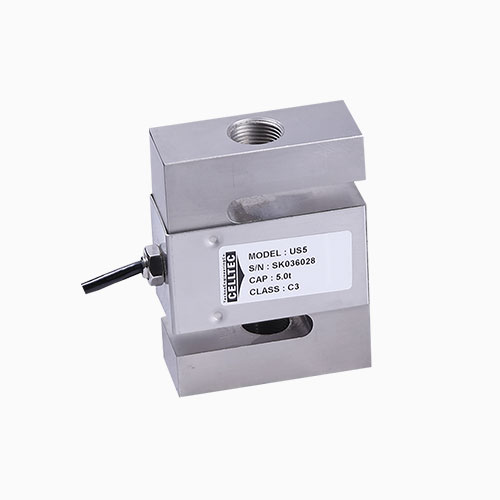
Celltec US5
د.إ0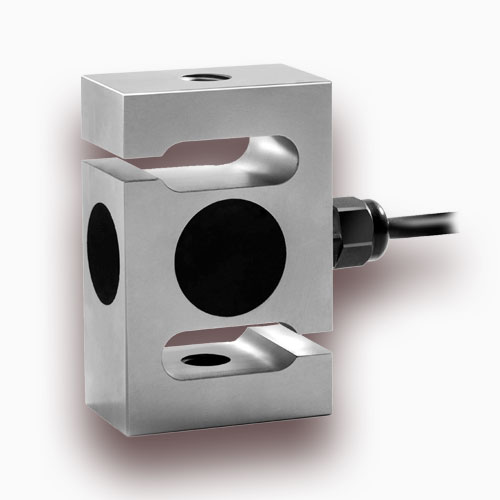
Flintec ULB
د.إ0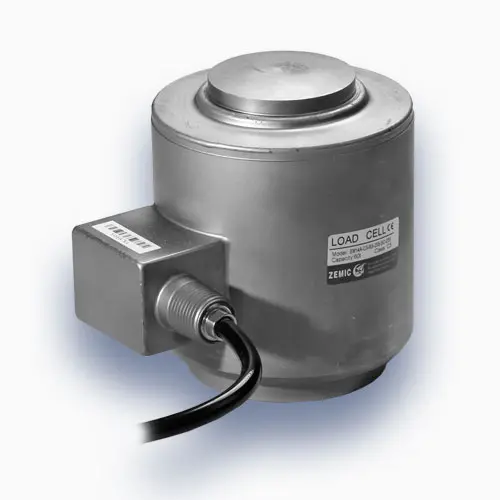
Zemic BM14A
د.إ0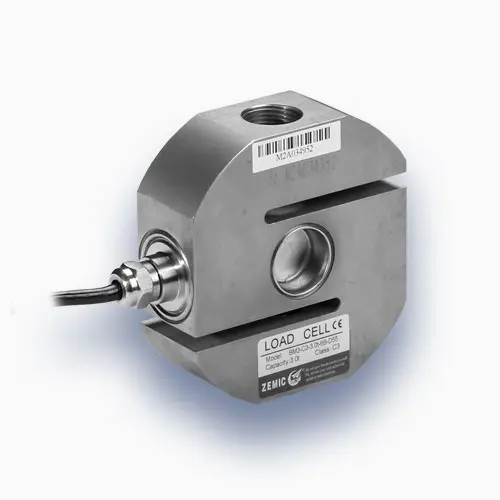
Zemic BM3
د.إ0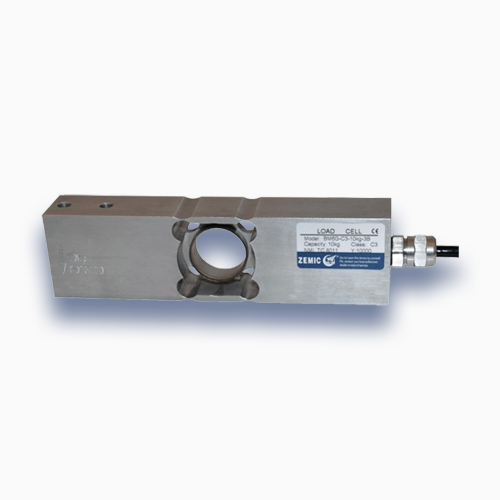
Zemic BM6G
د.إ0
Zemic BM8D
د.إ0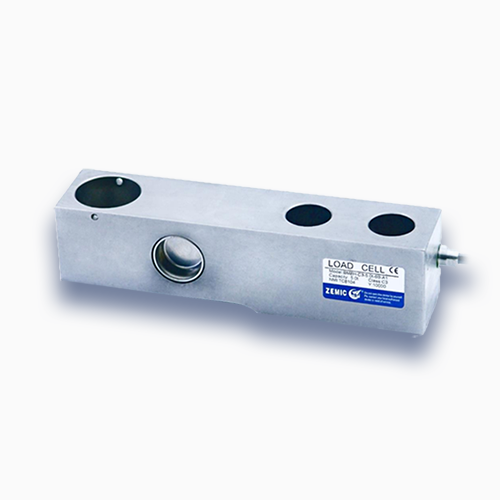
Zemic BM8H
د.إ0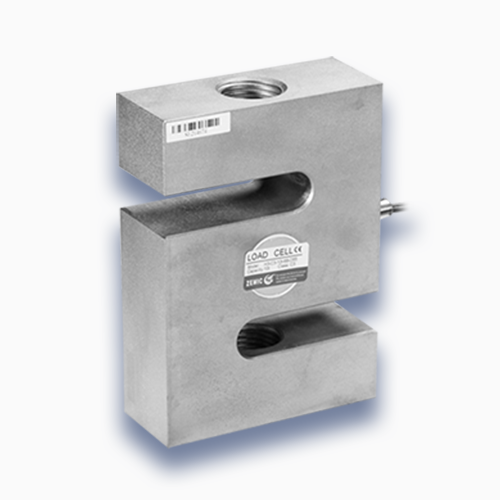
Zemic H3
د.إ0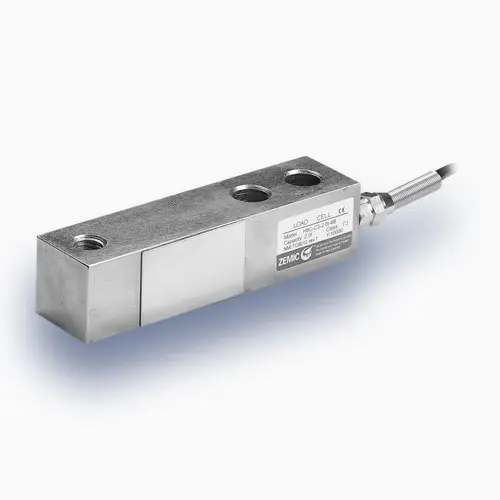
Zemic H8C
د.إ0