


The RoHS standard (Restriction of Hazardous Substances) is a European Union directive designed to limit the use of specific hazardous materials in electrical and electronic equipment. The current applicable regulation is RoHS 2 – Directive 2011/65/EU, as amended by Directive (EU) 2015/863, which introduced additional restricted substances. RoHS aims to protect human health and the environment by reducing toxic materials throughout the product life cycle.
In the weighing industry, RoHS applies to electronic weighing instruments, load cells, weighing indicators, junction boxes, control electronics, and digital peripherals that fall under the scope of electrical and electronic equipment (EEE). Compliance is therefore critical for scales and weighing systems sold or installed in the European Economic Area (EEA), particularly in industrial, laboratory, retail, and process‑weighing environments.
RoHS restricts the use of substances such as lead (Pb), mercury (Hg), cadmium (Cd), hexavalent chromium (Cr⁶⁺), polybrominated biphenyls (PBB), and polybrominated diphenyl ethers (PBDE). The 2015 amendment expanded the scope to include certain phthalates (DEHP, BBP, DBP, and DIBP), which are commonly found in cable insulation and plastic components. Components used in weighing equipment—such as solder joints, printed circuit boards, connectors, cables, and displays—must meet strict maximum concentration limits for each restricted substance.
RoHS compliance is typically demonstrated through a combination of material declarations, supplier conformity statements, risk assessment, and technical documentation. Unlike some safety certifications, RoHS usually does not require third‑party type testing; however, manufacturers remain legally responsible for ensuring full compliance. RoHS conformity is also a prerequisite for CE marking for applicable products, making it an essential part of EU market access for weighing equipment.
For manufacturers, RoHS compliance promotes environmentally responsible design, safer manufacturing processes, and global market acceptance, as many non‑EU countries adopt RoHS‑like regulations. For end users, RoHS‑compliant weighing systems reduce environmental impact, improve workplace safety, and support sustainability initiatives—especially in food, pharmaceutical, and laboratory sectors.
In summary, the RoHS standard is a key environmental compliance requirement in the weighing industry. It ensures that weighing equipment is manufactured using safer materials, supports sustainable lifecycle management, and meets legal requirements for sale and use within the European market.
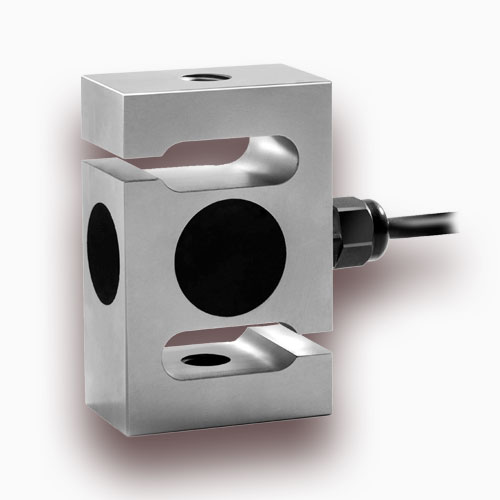
Flintec ULB
د.إ0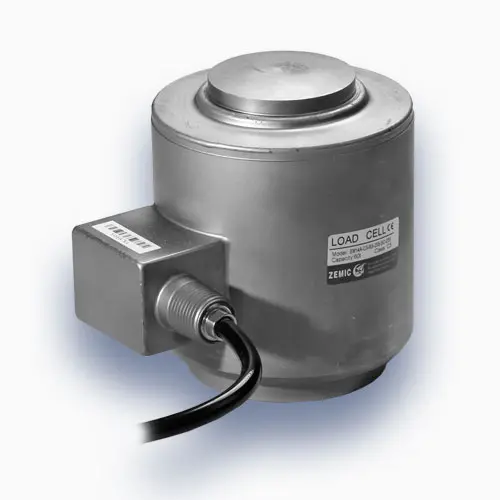
Zemic BM14A
د.إ0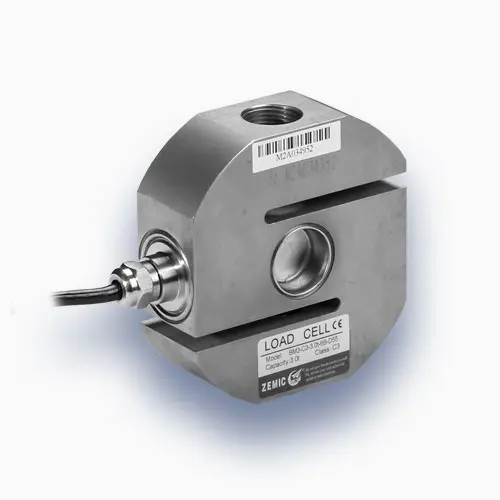
Zemic BM3
د.إ0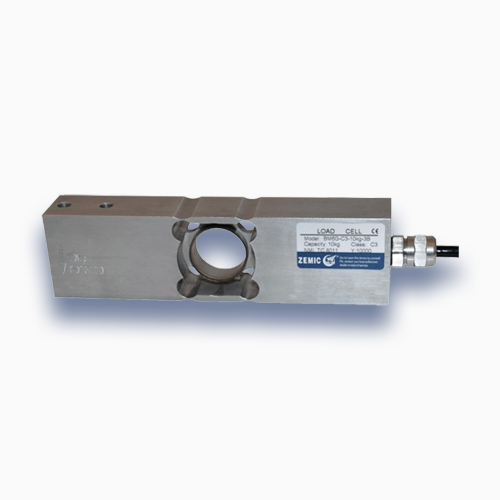
Zemic BM6G
د.إ0
Zemic BM8D
د.إ0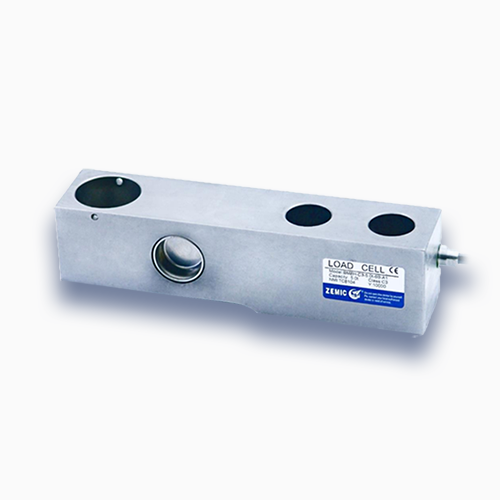
Zemic BM8H
د.إ0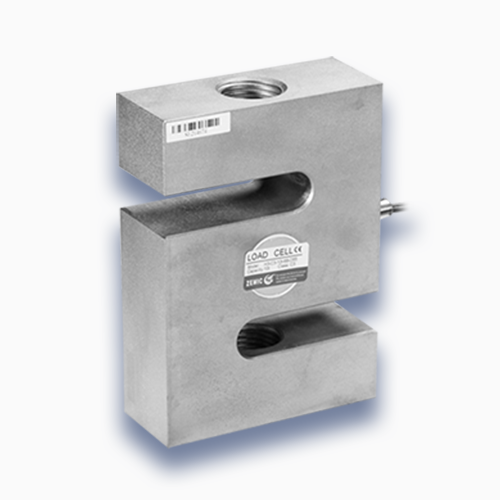
Zemic H3
د.إ0
Zemic H8C
د.إ0